

What Types of Metal Roofing Materials Affect Pricing?
The material you choose significantly impacts your total investment. Steel roofing represents the most budget-friendly option, typically ranging from $7 to $12 per square foot installed. This material offers excellent durability and comes with protective coatings that resist rust and corrosion.
Steel vs. Aluminum: Budget Considerations
Aluminum roofing costs more than steel but provides superior corrosion resistance, especially in coastal areas. Expect to pay between $9 and $15 per square foot for aluminum installations. The lightweight nature of aluminum makes it ideal for homes with structural limitations.
Premium Metal Options: Copper and Zinc
Copper roofing sits at the premium end of metal roofing options. Prices range from $15 to $25 per square foot installed. While expensive initially, copper develops a beautiful patina over time and can last over 100 years with proper maintenance. Many historic buildings showcase copper’s longevity and aesthetic appeal.
Zinc roofing offers another high-end option with self-healing properties. When scratches occur, zinc naturally repairs itself through oxidation. This material typically costs between $12 and $20 per square foot installed.
• Steel: Most affordable, excellent durability, protective coatings available
• Aluminum: Corrosion-resistant, lightweight, ideal for coastal environments
• Copper: Premium option, develops patina, exceptional longevity
• Zinc: Self-healing properties, premium pricing, unique aesthetic
Call John from Solsken Roofing – call (971) 465-9774

How Does Roof Complexity Impact Installation Costs?
Simple roof designs with minimal angles and penetrations cost significantly less to install than complex architectural features. A basic gable roof allows installers to work efficiently with fewer cuts and minimal waste material.
Simple vs. Complex Roof Designs
Complex roof lines with multiple valleys, dormers, and chimneys require additional labor and materials. Each penetration needs careful flashing installation to prevent water infiltration. These details can add 20-40% to your total project cost.
Steep Slope Installation Challenges
Roof pitch also affects pricing. Steeper roofs require additional safety equipment and slower installation processes. Contractors must use specialized equipment and take extra precautions on slopes exceeding 6:12 pitch. The increased difficulty translates to higher labor costs.
Existing roof removal adds another cost layer. If your current roofing requires removal and disposal, expect additional charges ranging from $2 to $5 per square foot. Some metal roofing systems can install over existing asphalt shingles, potentially saving removal costs.
Considering a metal roof upgrade? Solsken Roofing provides detailed estimates that account for your roof’s unique characteristics.
Call (971) 465-9774 today.
Why Do Regional Factors Influence Metal Roof Pricing?
Geographic location significantly affects material costs and labor availability. Areas with high construction activity often see increased prices due to contractor demand. Conversely, regions with numerous roofing professionals may offer more competitive pricing.
Transportation and Delivery Costs
Transportation costs impact material prices, especially for heavy steel products. Projects located far from manufacturing centers or distribution hubs typically pay premium prices for delivery. Weather conditions also influence installation timing and costs in certain regions.
Local Building Code Requirements
Local building codes vary significantly across the United States. Some areas require enhanced wind resistance ratings or specific attachment methods. These requirements can increase material costs and installation complexity. Coastal regions often mandate corrosion-resistant fasteners and additional structural reinforcement.
Permitting costs and inspection requirements differ by municipality. Some areas charge minimal fees, while others impose substantial permit costs. Understanding local requirements helps budget accurately for your metal roofing project.
Labor availability fluctuates regionally based on construction activity and skilled tradesperson supply. Areas experiencing construction booms often see elevated labor rates. Additionally, some regions have higher prevailing wage requirements that affect project costs.
What Installation Methods Affect Overall Pricing?
Standing seam metal roofing represents the premium installation method. This system uses concealed fasteners and interlocking panels for superior weather protection. Installation requires specialized tools and training, resulting in higher labor costs. However, the investment pays dividends through enhanced durability and fewer maintenance requirements.
Standing Seam vs. Exposed Fastener Systems
Exposed fastener systems offer a more budget-friendly installation option. These panels attach directly through the metal into roof decking using visible screws. While less expensive initially, exposed fasteners require periodic maintenance and eventual replacement as gaskets deteriorate.
Retrofit installations over existing roofing can reduce costs by eliminating tear-off expenses. This method works well when existing roof structures remain sound. However, adding insulation or ventilation improvements becomes more challenging with retrofit approaches.
New construction installations typically cost less than replacement projects. Contractors can work more efficiently without removal and disposal considerations. The absence of existing obstacles allows for streamlined installation processes.
Call John from Solsken Roofing – call (971) 465-9774
Professional Installation Quality Standards
Professional installation quality significantly impacts long-term costs. Improperly installed metal roofing can experience premature failure, leak issues, or warranty voidance. Quality metal roofing installation requires experienced contractors familiar with manufacturer specifications and local building codes.
How Do Underlayment and Accessories Impact Costs?
High-quality underlayment forms a critical component of metal roofing systems. Synthetic underlayments cost more than traditional felt but provide superior moisture protection and durability. These materials typically add $0.50 to $1.50 per square foot to project costs.
Synthetic Underlayment Advantages
Ice and water barriers become essential in cold climates where ice dams might form. These self-adhering membranes prevent water infiltration around vulnerable areas like eaves and valleys. Expect to pay additional costs for proper ice dam protection in northern climates.
Essential Ventilation Components
Ventilation systems require careful planning and quality components. Ridge vents, soffit vents, and exhaust fans ensure proper air circulation beneath metal roofing. Adequate ventilation prevents moisture problems and extends roof system life. These components can add $2 to $5 per square foot depending on complexity.
Flashing materials around chimneys, vents, and roof penetrations require compatible metals to prevent galvanic corrosion. Using mismatched metals can cause premature failure and expensive repairs. Quality flashing materials represent a small percentage of total costs but provide significant long-term value.
Gutter systems work differently with metal roofing due to thermal expansion characteristics. Specialized hangers and expansion joints accommodate metal’s movement patterns. These considerations can increase gutter installation costs by 15-25% compared to standard applications.
Maximize your home’s value with professional metal roofing installation. Contact Solsken Roofing at (971) 465-9774 for a comprehensive evaluation.

What Warranty Options Affect Initial Investment?
Manufacturer warranties vary significantly between metal roofing products and can influence initial pricing decisions. Paint warranties typically range from 25 to 40 years, with premium coatings offering longer protection periods. However, longer warranties often come with higher material costs.
Paint and Substrate Coverage
Substrate warranties cover the underlying metal against rust-through and structural failure. These warranties can extend from 20 years to lifetime coverage depending on material quality and thickness. Thicker gauge materials generally offer longer warranty periods but cost more initially.
Installation warranties depend on contractor qualifications and manufacturer certification programs. Some manufacturers offer enhanced warranties when certified contractors perform installations. These programs often require additional training and quality standards that may increase labor costs.
Call John from Solsken Roofing – call (971) 465-9774
Transferable Warranty Benefits
Transferable warranties add value for homeowners planning to sell their properties. These warranties can transfer to new owners, potentially increasing home resale value. However, transferable warranty options typically cost more than standard coverage.
Weather resistance warranties become particularly important in severe climate zones. Hail resistance ratings and wind uplift warranties provide peace of mind in storm-prone areas. Enhanced weather protection features increase material costs but reduce long-term damage risks.
According to the Metal Roofing Alliance, properly installed metal roofing systems can last 40-70 years with minimal maintenance requirements, significantly outperforming traditional asphalt shingles that typically last 15-20 years.
How Do Energy Efficiency Features Impact Pricing?
Cool roof coatings reflect solar heat and reduce cooling costs during summer months. These specialized finishes can lower roof surface temperatures by 50-60 degrees Fahrenheit. However, premium cool roof coatings add $0.50 to $2.00 per square foot to material costs.
Cool Roof Technology Benefits
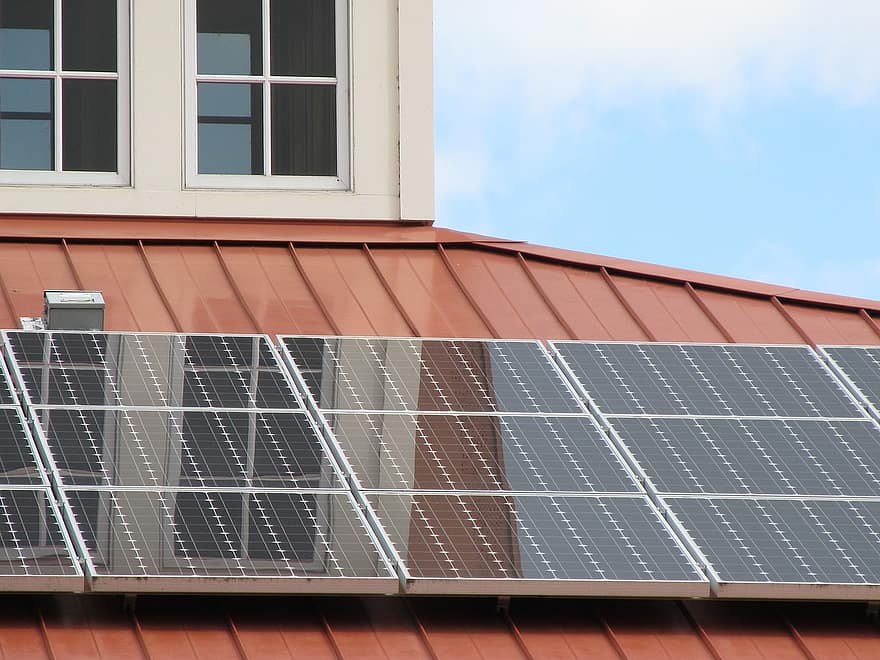
Integrated solar systems represent the newest advancement in metal roofing technology. Solar panels can integrate directly into standing seam systems or attach through specialized mounting hardware. While expensive initially, these systems can provide significant energy savings and potential tax credits.
Integrated Solar Panel Systems
Insulation systems beneath metal roofing improve energy efficiency and reduce noise transmission. Rigid foam insulation or reflective barriers can enhance thermal performance significantly. These upgrades typically add $1 to $3 per square foot but provide long-term energy savings.
Thermal breaks prevent heat transfer through metal roofing systems in extreme climates. These components separate interior and exterior metal surfaces to reduce energy loss. Thermal breaks add complexity and cost but prove essential in harsh winter climates.
Air sealing details around roof penetrations and edges prevent unwanted air infiltration. Proper sealing techniques require attention to detail and quality materials. These measures increase installation time but improve overall energy performance significantly.
Metal roofing energy benefits include reduced cooling costs, improved insulation performance, and potential utility rebates in many areas.
Call John from Solsken Roofing – call (971) 465-9774
What Maintenance Considerations Affect Long-Term Costs?
Metal roofing requires minimal maintenance compared to other roofing materials, but certain factors influence long-term costs. Annual inspections help identify potential issues before they become expensive problems. Professional inspections typically cost $200-400 but can prevent costly repairs.
Annual Inspection Requirements
Fastener maintenance becomes necessary with exposed fastener systems every 10-15 years. Gasket replacement and fastener tightening prevent water infiltration. This maintenance typically costs $2-5 per square foot depending on accessibility and fastener quantity.
Paint touch-ups may become necessary in high-traffic areas or after severe weather events. Quality paint systems resist fading and chalking, but eventual maintenance becomes inevitable. Touch-up costs vary based on accessibility and coating type.
Gutter cleaning frequency increases with metal roofing due to faster water runoff velocities. More frequent cleaning prevents overflow issues but adds to maintenance costs. Consider gutter guards to reduce cleaning frequency and costs.
Snow Load Management
Snow removal considerations become important in heavy snow areas. Metal roofing’s smooth surface allows snow to slide off rapidly, potentially creating hazards. Snow guards or heating cables may be necessary, adding to long-term costs.
The National Roofing Contractors Association reports that metal roofing maintenance costs average 50-70% less than asphalt shingle maintenance over a 30-year period.
Ready to share this valuable information with friends considering metal roofing? Contact John Gaudette at (971) 465-9774 to learn more about cost-effective options.
Key Takeaways
• Material choice significantly impacts pricing, with steel being most affordable and copper representing premium options
• Roof complexity including pitch, penetrations, and architectural features can increase costs by 20-40%
• Regional factors such as labor availability, building codes, and transportation costs create price variations across markets
• Installation methods ranging from exposed fastener to standing seam systems affect both initial costs and long-term performance
• Underlayment, ventilation, and accessory components add essential value despite increasing initial investment
• Warranty options influence material selection and provide long-term protection for your investment
• Energy efficiency features increase upfront costs but provide ongoing savings through reduced utility bills
Transform your home with professional metal roofing installation from Solsken Roofing – call (971) 465-9774 for your comprehensive consultation today.
Frequently Asked Questions
Q: How much does a metal roof cost per square foot?
A: Metal roof prices vary from $7-25 per square foot installed, depending on material type. Steel costs $7-12, aluminum $9-15, while premium copper ranges $15-25. Installation complexity, roof pitch, and regional factors significantly influence why metal roof prices vary so much across different projects.
Q: Is metal roofing worth the higher upfront cost?
A: Yes, metal roofing typically pays for itself through longevity and energy savings. While initial costs exceed asphalt shingles, metal roofs last 40-70 years versus 15-20 for shingles. Reduced maintenance, energy efficiency, and insurance discounts explain why metal roof prices vary but offer excellent long-term value.
Q: What is the cheapest type of metal roofing?
A: Steel represents the most affordable metal roofing option, costing $7-12 per square foot installed. Exposed fastener steel systems cost less than standing seam installations. However, aluminum and zinc options provide better corrosion resistance, demonstrating why metal roof prices vary based on performance requirements.
Q: How long does metal roofing installation take?
A: Most residential metal roof installations take 1-3 days, depending on size and complexity. Simple gable roofs install faster than complex designs with multiple penetrations. Weather conditions and crew size also affect timeline, contributing to why metal roof prices vary between contractors and seasons.
Q: Can metal roofing be installed over existing shingles?
A: Yes, many metal roofing systems can install over existing asphalt shingles, saving removal costs. This retrofit approach works when existing roof structure remains sound. However, additional insulation or ventilation improvements become more challenging, explaining why metal roof prices vary between retrofit and tear-off installations.
Q: Do metal roofs make houses hotter or cooler?
A: Metal roofs with reflective coatings actually keep homes cooler by reflecting solar heat. Cool roof technologies can reduce surface temperatures by 50-60 degrees. However, proper insulation and ventilation remain essential for optimal performance, which influences why metal roof prices vary with energy efficiency features.
Q: What maintenance does metal roofing require?
A: Metal roofing requires minimal maintenance compared to other materials. Annual inspections, occasional fastener tightening on exposed systems, and gutter cleaning constitute primary requirements. This low maintenance explains why metal roof prices vary initially but provide excellent long-term value through reduced upkeep costs.
Q: Will metal roofing increase my home’s value?
A: Metal roofing typically increases home value by 1-6% according to real estate studies. Premium materials like copper or zinc provide higher returns than steel options. Energy efficiency, durability, and aesthetic appeal contribute to resale value, demonstrating why metal roof prices vary but offer investment returns.
Q: Do metal roofs attract lightning or make more noise?
A: Metal roofs do not attract lightning more than other materials and actually provide better protection if struck. Proper installation with adequate insulation minimizes noise from rain and hail. These performance factors contribute to why metal roof prices vary based on installation quality and materials used.
Call John from Solsken Roofing – call (971) 465-9774